

When it comes to horse racing, many people think of the well-known tracks such as Churchill Downs or Ascot. However, there are numerous other sites that offer thrilling racing experiences beyond the mainstream venues. For enthusiasts looking to explore the world of horse racing, these alternative locations present unique opportunities to witness the sport, engage with the community, and enjoy everything from harness racing to steeplechase events. One such example is horse racing sites not on GamStop Merseyside Mounted, showcasing the beauty of horseback riding outside the traditional racing circuit. In this article, we will delve into various lesser-known horse racing sites and what makes them special.
Horse racing, while largely commercialized, has roots in local communities. Many regional tracks host races that not only provide entertainment but also serve as vital social events for the area. These tracks often maintain a unique charm, with scenic backdrops and a more intimate atmosphere compared to their larger counterparts. For instance, places like Charles Town Races in West Virginia offer a picturesque setting in the Blue Ridge Mountains, creating a captivating backdrop for a day of racing.

The Importance of Smaller Tracks
Smaller horse racing tracks are crucial for the sport’s sustainability. They help nurture young talent, both equine and human, and often showcase local breeds and less-common racing styles. Equally important, these venues foster a sense of community. Regular attendees develop bonds over shared experiences, creating a welcoming environment for newcomers. Tracks like the Fair Grounds Race Course in New Orleans not only offer traditional thoroughbred racing but also integrate local culture and festivities into their events.
Unique Racing Formats
Exploring horse racing beyond traditional venues also means discovering unique racing formats. Harness racing, for instance, is distinct from thoroughbred racing in that horses pull a driver in a two-wheeled cart. This format is popular in various regions, particularly in the Northeast of the United States and parts of Europe. Tracks such as the Meadowlands Racetrack in New Jersey are renowned for harness racing and offer a different flavor of the sport. The excitement of watching a pacing horse surge forward, often at breakneck speeds, provides an exhilarating experience for fans.
The Community Experience
One of the main draws of visiting lesser-known racing venues is the community experience. The atmosphere is often friendlier and more relaxed, allowing attendees to connect with one another and with the sport in a less pressured environment. Events hosted at these tracks might feature local food vendors, live music, and other entertainment options that enhance the racing experience. At tracks like the Cambridge Raceway in New Zealand, patrons can immerse themselves in the local culture while enjoying a day at the races.
Beyond the Races: Activities and Attractions
Many of these alternative horse racing sites offer more than just races. They frequently host festivals, fairs, and educational events that promote equine sports. For example, some venues hold family days, complete with horse riding workshops, petting zoos, and educational talks about horsemanship. These activities not only broaden the appeal of the races but also educate attendees about the significance of horses in their communities. This commitment to family-friendly entertainment can be seen at places like the Emerald Downs in Washington, where events cater to all ages.
International Alternatives
While North America is home to many alternative racing venues, the tradition of horse racing is celebrated around the world. For instance, in Australia, there are numerous regional racetracks that might not have the fame of the Melbourne Cup but offer
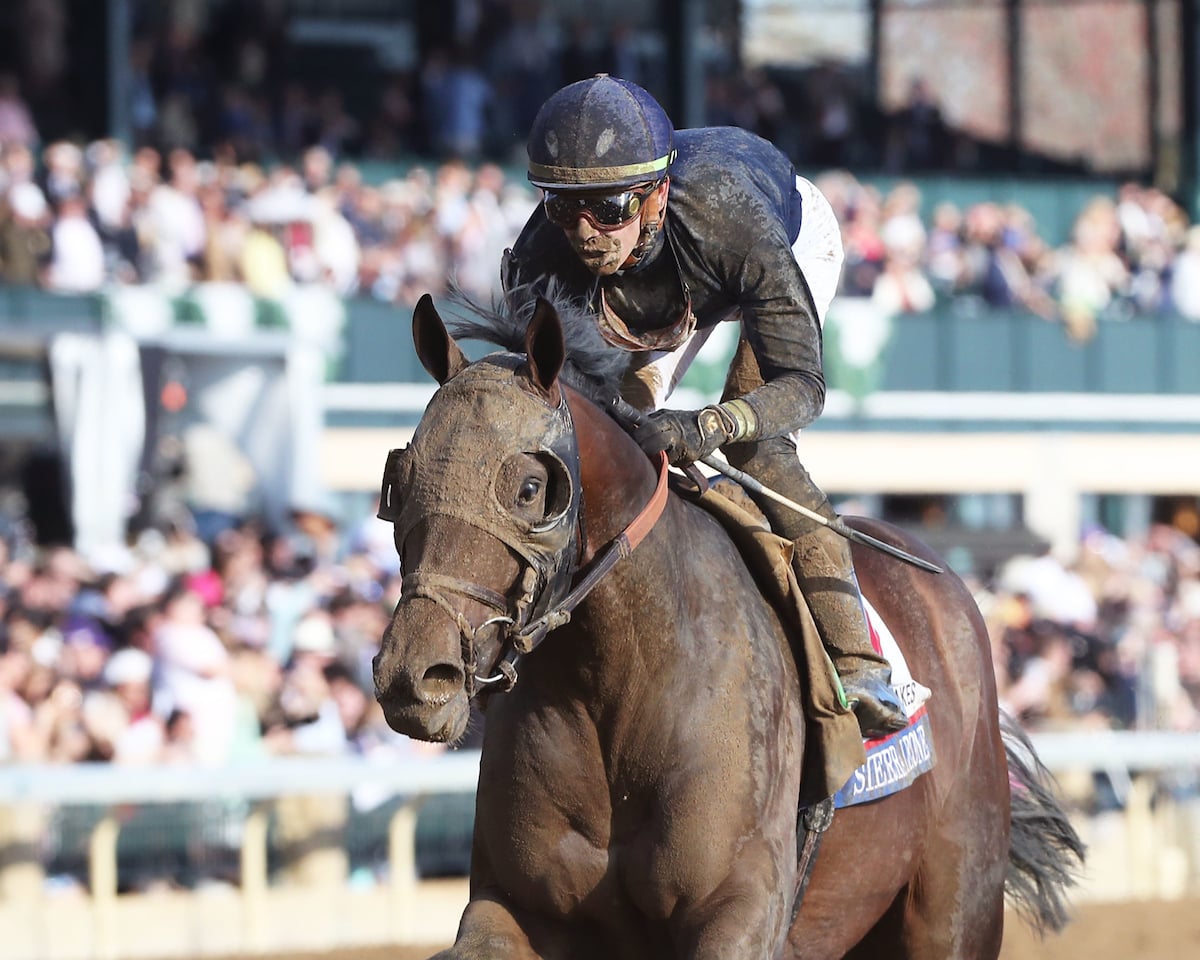
exciting events year-round. Places like the Ascot Racecourse in Tasmania are known for their unique races and vibrant local festivities that attract visitors from far and wide.
Engaging Young Fans
Given the competition from various forms of entertainment today, attracting younger audiences to horse racing is essential for the sport’s longevity. Many smaller tracks are leading the charge by introducing engaging programs aimed at children and teenagers. These initiatives might include workshops where young fans can learn about horse care, racing strategy, and even participate in mock races. By creating interactive experiences, these racetracks help cultivate a new generation of horse racing enthusiasts.
Conclusion
As horse racing continues to evolve, it’s important not to overlook the lesser-known sites that contribute to its rich tapestry. From community-centric events to unique racing shapes, these tracks deserve recognition and support. Whether you’re a seasoned racegoer or a curious newcomer, exploring horse racing sites that are off the beaten path can reveal hidden gems and unforgettable experiences. Discovering these venues provides an opportunity to support local communities while engaging in a sport that has captivated audiences for centuries.
So next time you’re planning a day at the races, consider stepping away from the mainstream and seek out these alternative venues. You may be pleasantly surprised by the charm, community spirit, and unique racing experiences that await you.